XTERRA Alxa: The Trail That’s Turning the Desert Green

Where roots run deep and dunes still shift, this XTERRA event brings a community back to a place they’ve helped transform—one tree, one step, one race at a time.

Words by XTERRA

 · 

4 min read


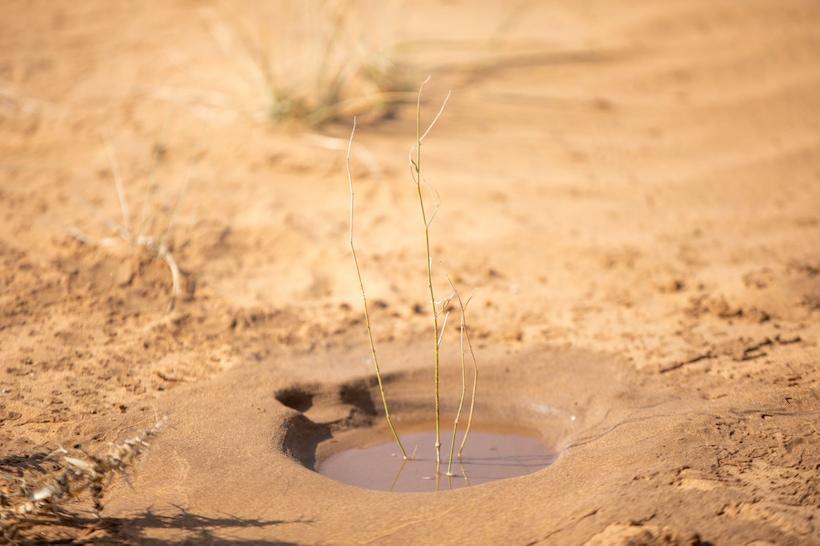
When the sun hangs high over the Tengger Desert, its heat presses into the earth, into the skin, into the lungs. But somewhere beneath the surface, deeper than the reach of the light, roots are growing—quietly, steadily, stubbornly. They belong to trees planted over several years, each part of a slow transformation from sand to sanctuary.

This is the story of a promise kept. One seed at a time.
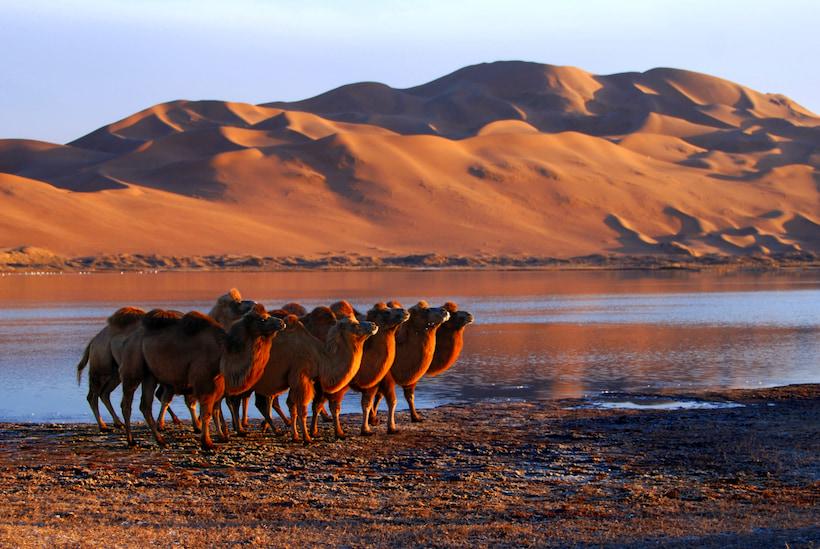
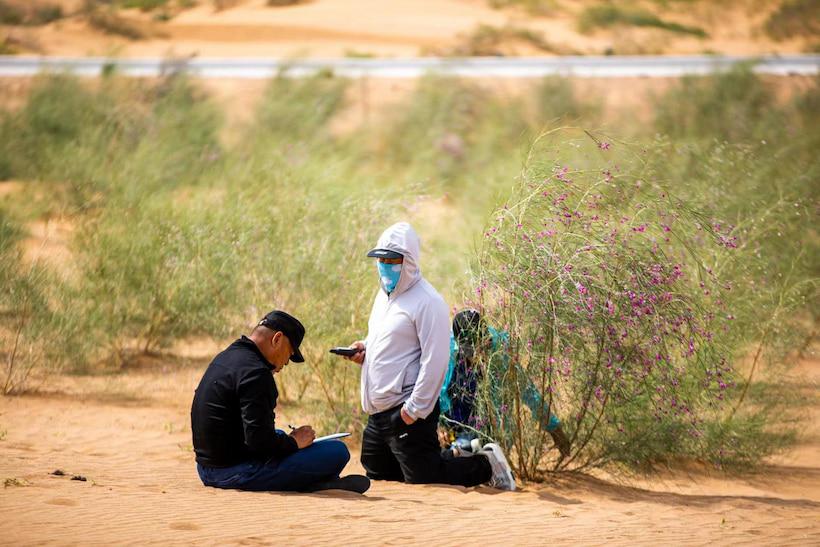
Since 2020, XTERRA athletes in China have played a quiet role in one of the community’s most meaningful ecological efforts. A small portion of every race entry has gone toward funding the planting of desert-adapted trees such as flowering buckthorn and sand poplar through the China Green Foundation’s Million Forest Program.

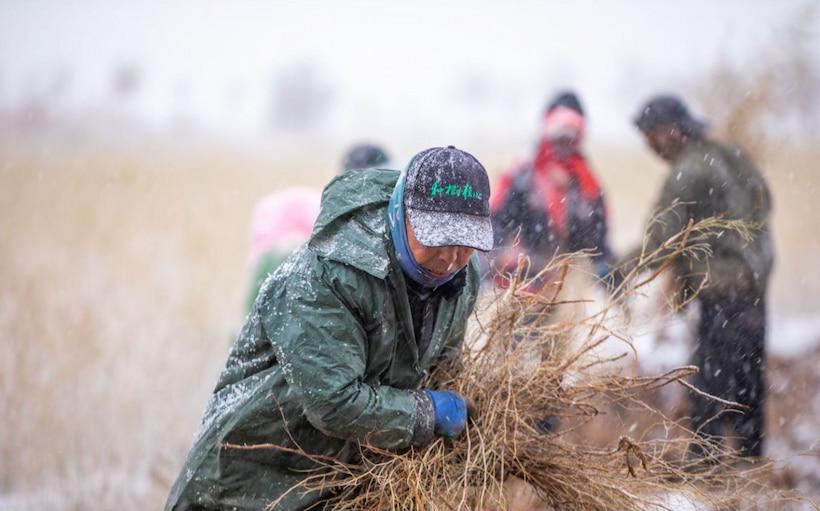
In that time, nearly 30,000 XTERRA China race participants and X-Plogging volunteers have supported the growth of more than 25,000 saplings in the Alxa region. What began as a digital certificate has become something far more tangible. Today, those trees stand within a 60-kilometre ecological corridor that anchors the soil, attracts biodiversity, and helps reverse the spread of desertification.
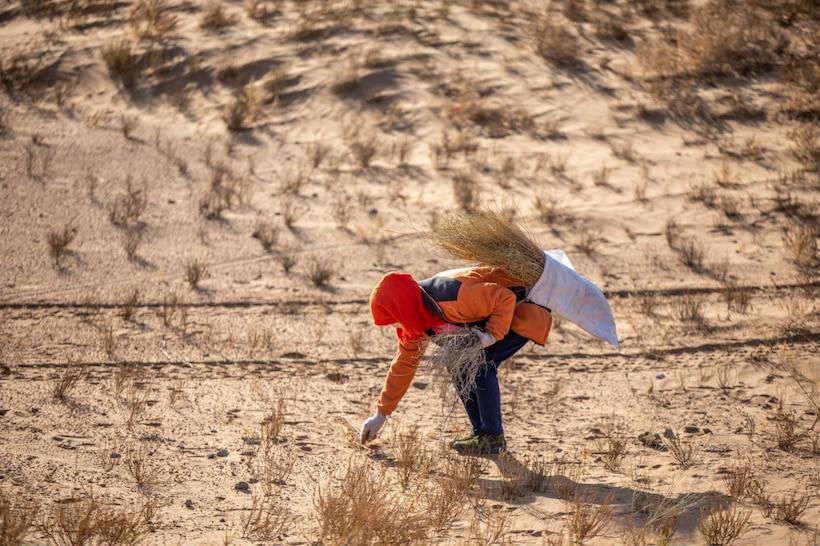
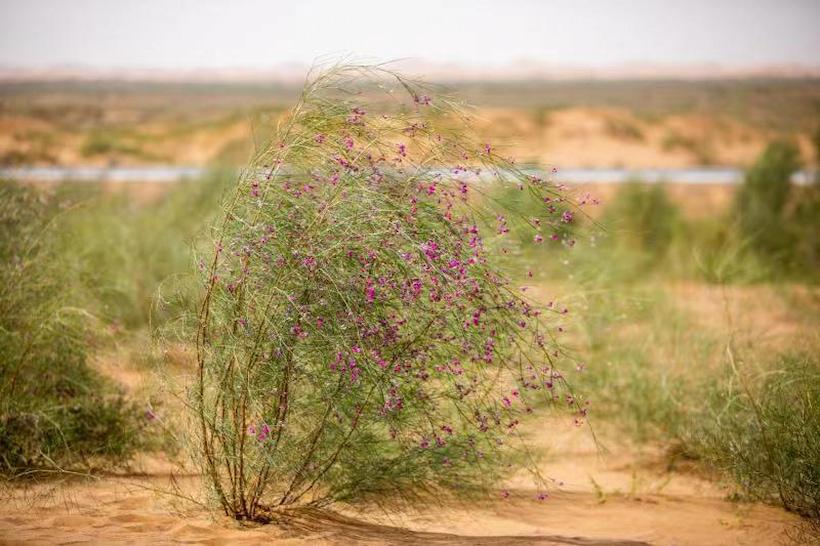
This year, the will arrive in Alxa for the first time, guiding participants through terrain shaped by years of ecological restoration.

Along the course, runners will pass through the XTERRA Forest—home to trees planted in the names of past race participants and volunteers. A new “Hand-Planted Forest” initiative will also invite select runners to take part in the planting process themselves: digging, soaking, placing, and tagging saplings to become part of the growing corridor.
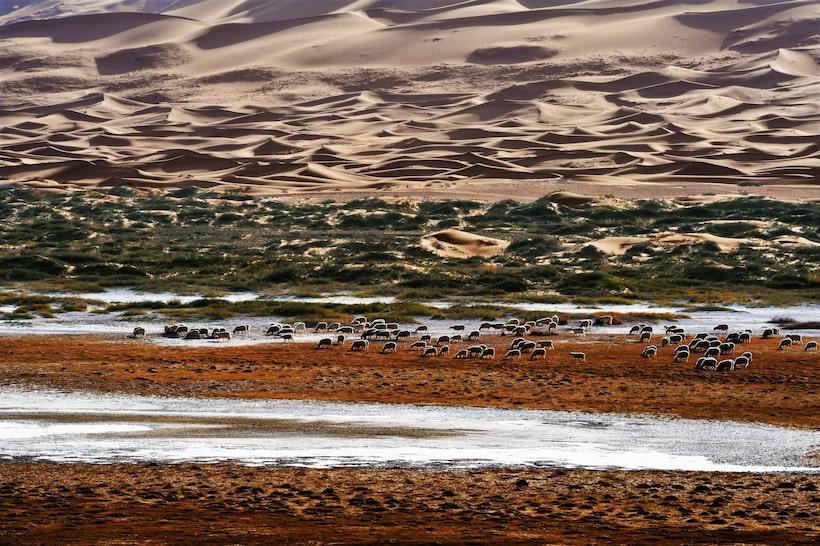
To run here is to confront scale. The desert is not empty, but expansive. It stretches the horizon, silences the rush, and slows the clock.

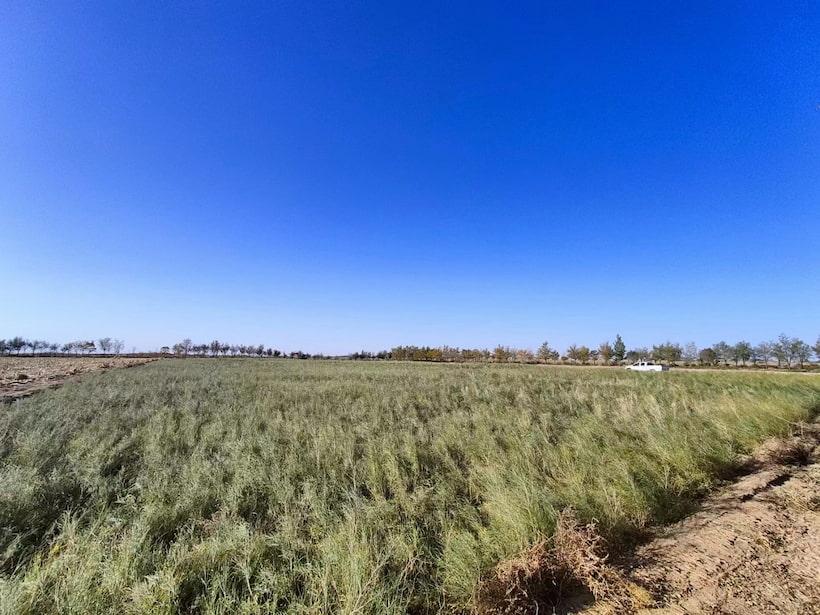
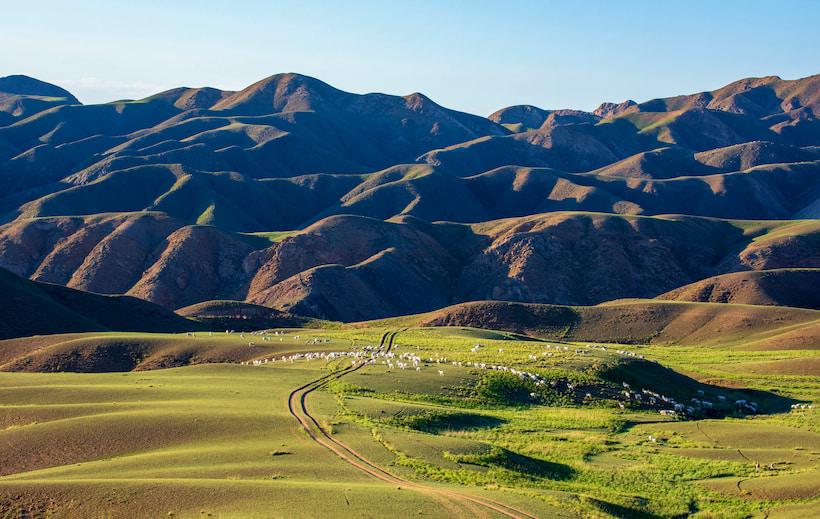
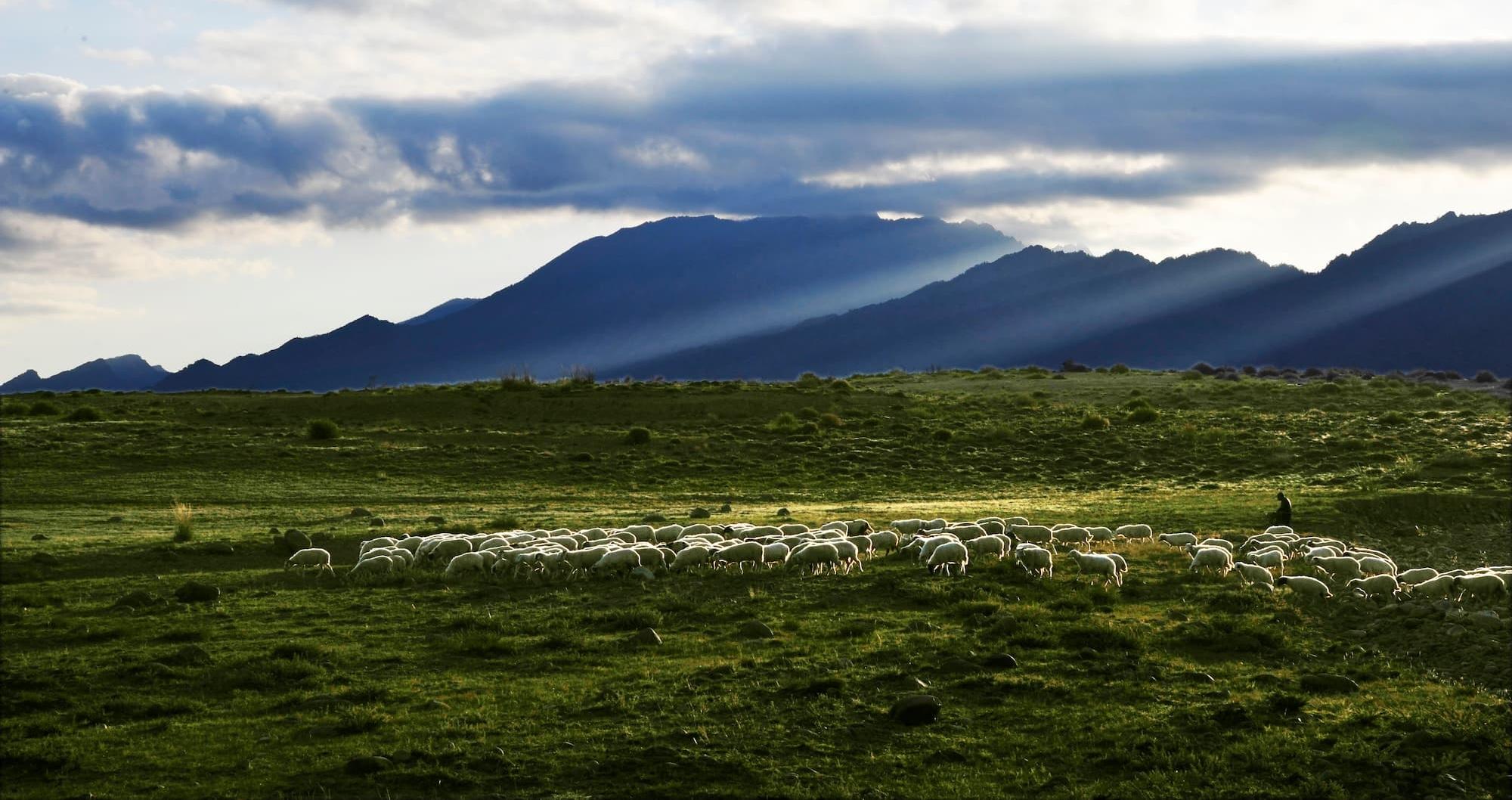
To the east, the Helan Mountains divide sand from vineyards. To the west, the Tengger Desert rolls on. Between them lies Alxa—a land once defined by erosion, now marked by resilience. Stretching between Inner Mongolia and Ningxia, the Helan Mountains have long been a natural divide. They separate ancient cultures, ecosystems, and climates. But near their base, a new kind of border has formed. Rows of poplar trees rise from the desert, a green belt that breaks the monotony of sand and signals the power of sustained effort.

These landscapes demand coexistence. Nearly one-third of the Earth’s surface is arid land, and regions like Alxa sit on the frontier of climate response.

Conservation here is not symbolic. It is practical, visible, and urgent. Since 2003, local projects led by organisations such as the China Green Foundation have worked to reverse desertification by stabilising soil, protecting water sources, and introducing native vegetation. Much of this work has been spearheaded by researchers like Mr. Wu, whose team has spent more than two decades developing methods tailored to these specific conditions.

The surrounding region reflects the same interplay of resilience and contrast seen in the ecological effort. It also offers some of the most iconic terrain in northwest China—the famed Desert Through the Oil Fields route, the ancient passes of the Helan range, and the shifting edges of the Tengger itself. From the murals of Dunhuang to the vineyards of Yinchuan, this is a place where heritage runs deep and contrasts run sharper.


At first glance, the saplings may seem unremarkable. Some barely rise above the knee. But their roots stretch over three metres deep, pulling moisture from beneath the sand, holding the land together. Slowly, they shape the future ecology of the region, drawing in plant and animal life, and preventing further erosion.

Their growth mirrors the philosophy that drives XTERRA: that impact takes time, that meaning is found in challenge, and that the wild is worth protecting—not for a single finish line, but for generations.

That philosophy came into focus when XTERRA China staff visited the planting sites for the first time. They found not towering forests, but something more enduring—a living testament to care. Trees planted in previous years were standing strong against the wind. Their bark was rough. Their shadows short. But their roots held.

And that, perhaps, is the essence of the effort: quiet, collective, and deep. The desert has not been conquered. It has been met with care.

In June 2025, the trails of Alxa will welcome the XTERRA community into a landscape it helped shape—a meeting of terrain and intent, history and hope. Where the desert turns green, the journey continues.


author Bio

XTERRA

Related Stories

Finding Freedom and Flow in the Langtang Valley

Jake Baggaley

5 min read

An exploration of where pain disappears, the body takes over, and the miles ahead fall away.

The Reason We Run (in 3 words or less)

David Miller

7 min read

A photo-driven journey to find the ‘why’ that drives the toughest trail runners on the planet to keep pushing forward as they take on one of the most mentally and physically challenging races on the ultra circuit.

Running with Eyes Wide Open

Rachel Maria Taylor

5 min read

Finding awe and adventure in the everyday by folding into the landscapes we run.

Running Down a Blizzard

Chris Brinlee, Jr.

5 min read

Running through the frozen wilderness of the Dolomites, discovering the fine line between adventure and survival.

Running with Mind, Body & Soul

Rio Lakeshore

5 min read

An introspective exploration of where movement intersects with mind, body and soul.

Like what you read?

Get more inspiring content right in your inbox!

Name

Email

Signing up means getting our weekly newsletter and occasional promotional content delivered straight to your inbox.

This site is protected by reCAPTCHA and the Google Privacy Policy and Terms of Service apply.