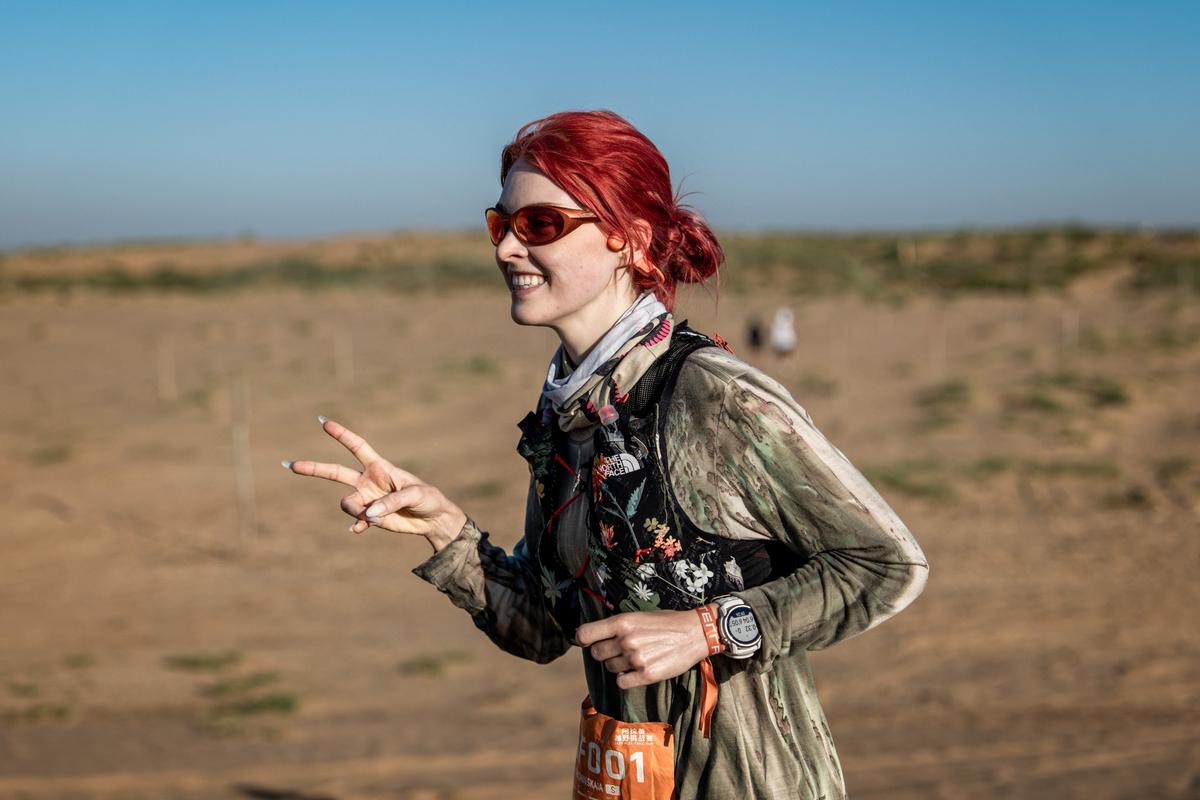


The second XTERRA Alxa Trail Run brought runners from 13 countries and regions into a part of western Inner Mongolia that few visitors ever experience on foot.
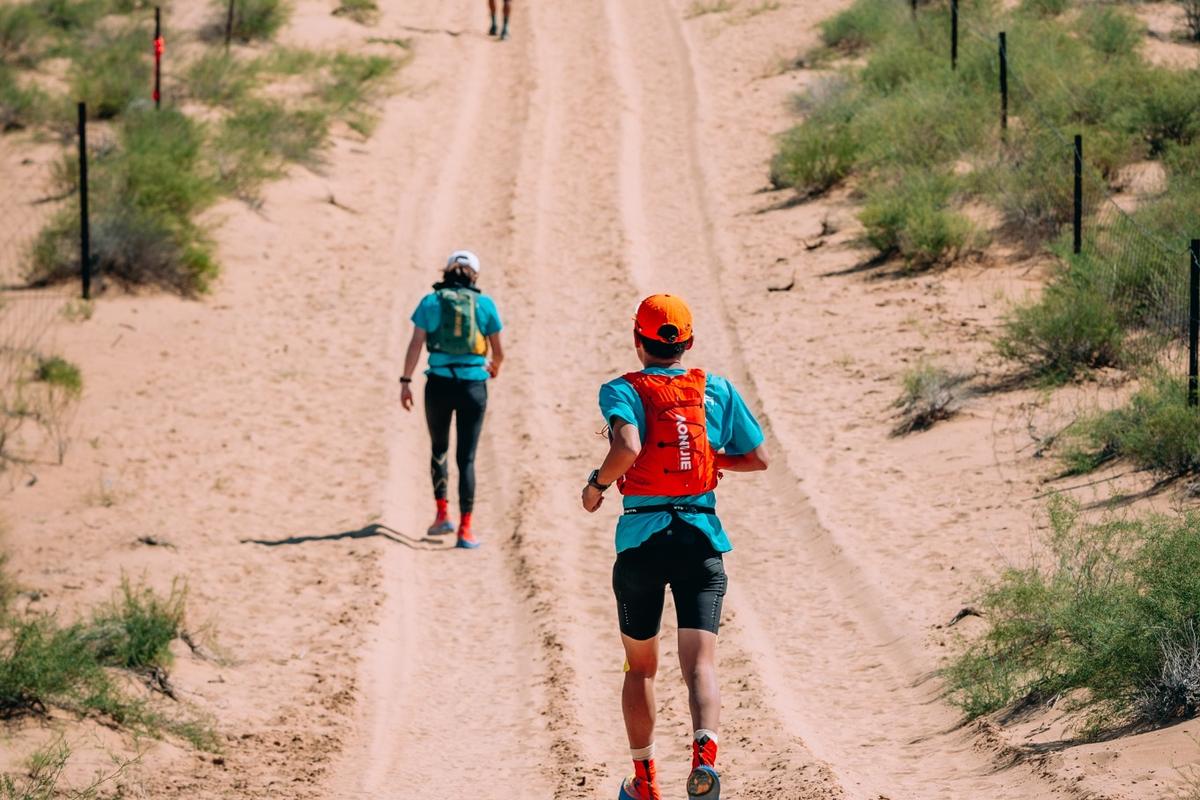
Nearly 1,000 participants gathered over Sep 12–13, 2026, for the second XTERRA Alxa Trail Run, with the 15K, 35K and 50K routes starting from Weilat Tribe and giving runners three ways to enter one of China’s least populated regions.
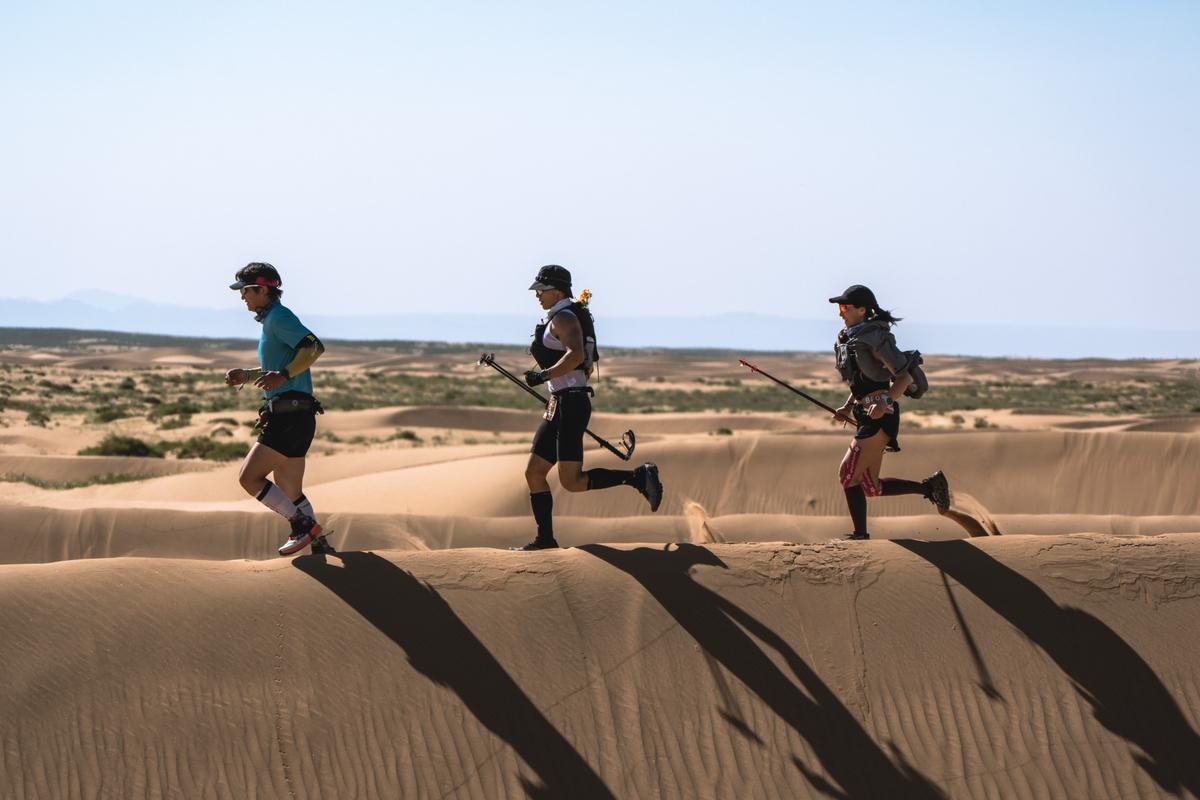
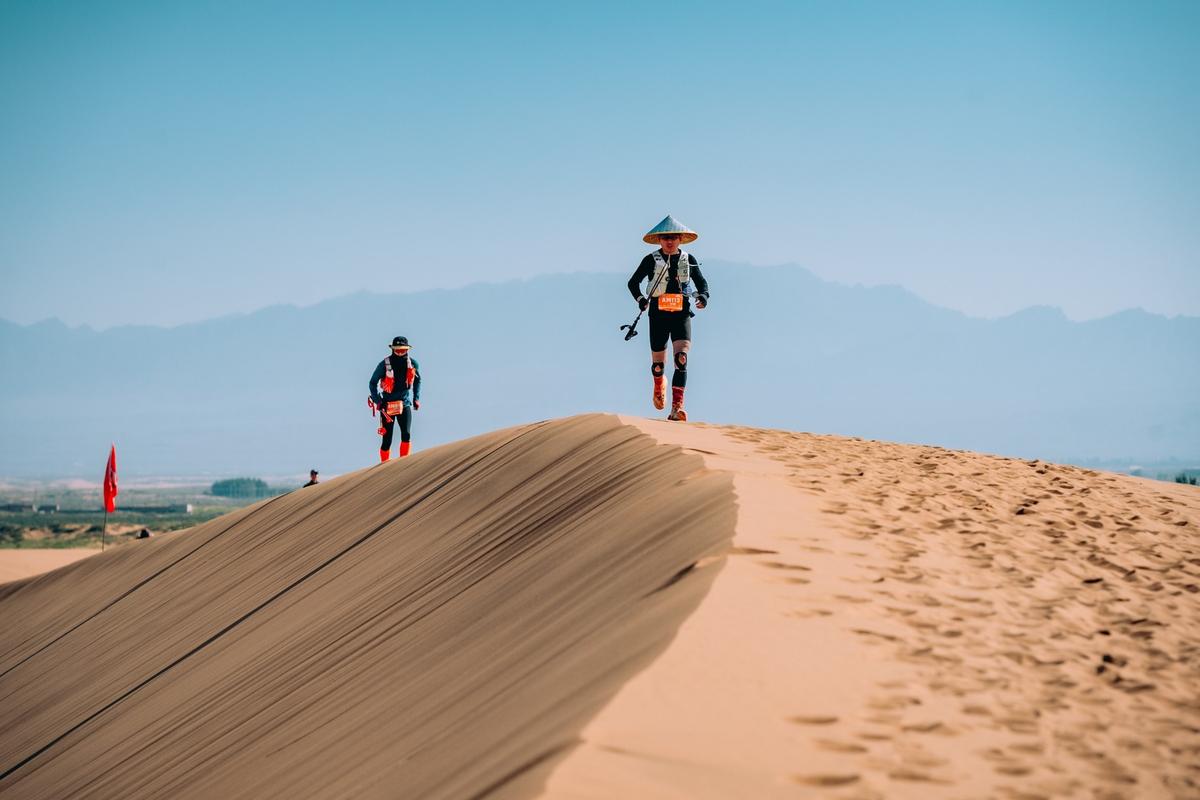
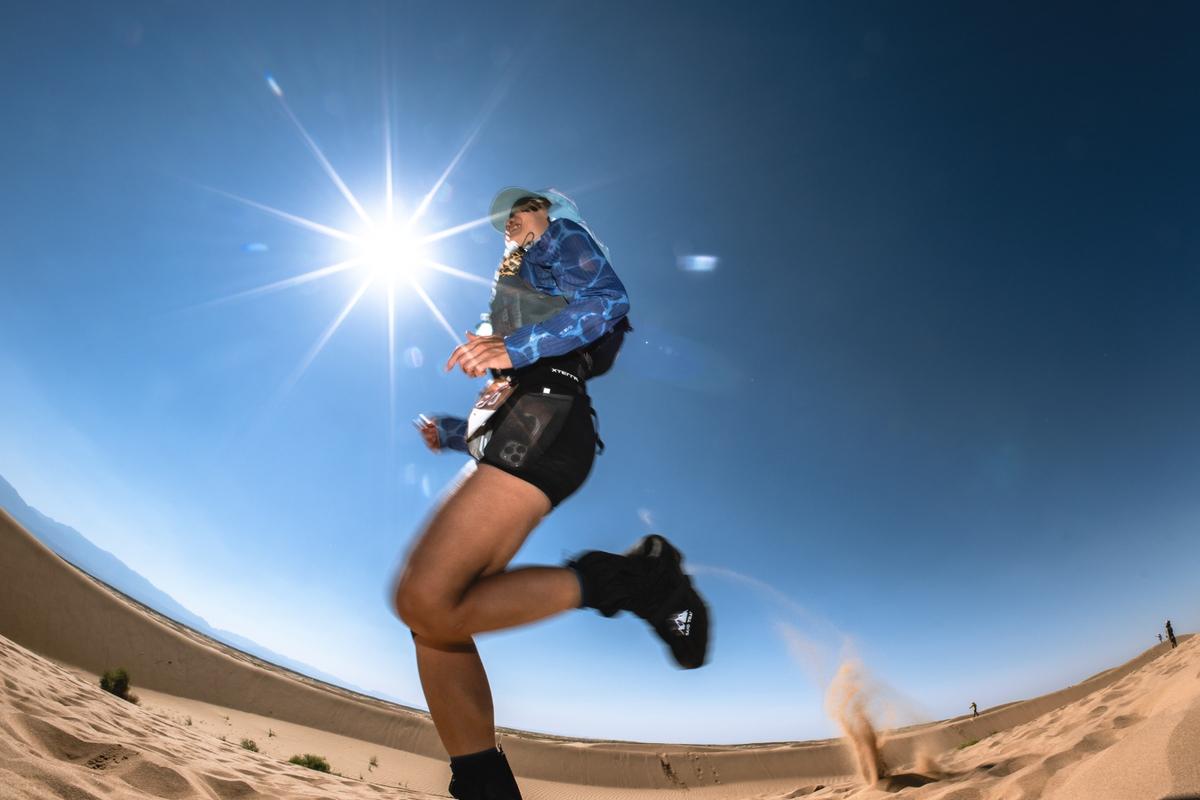
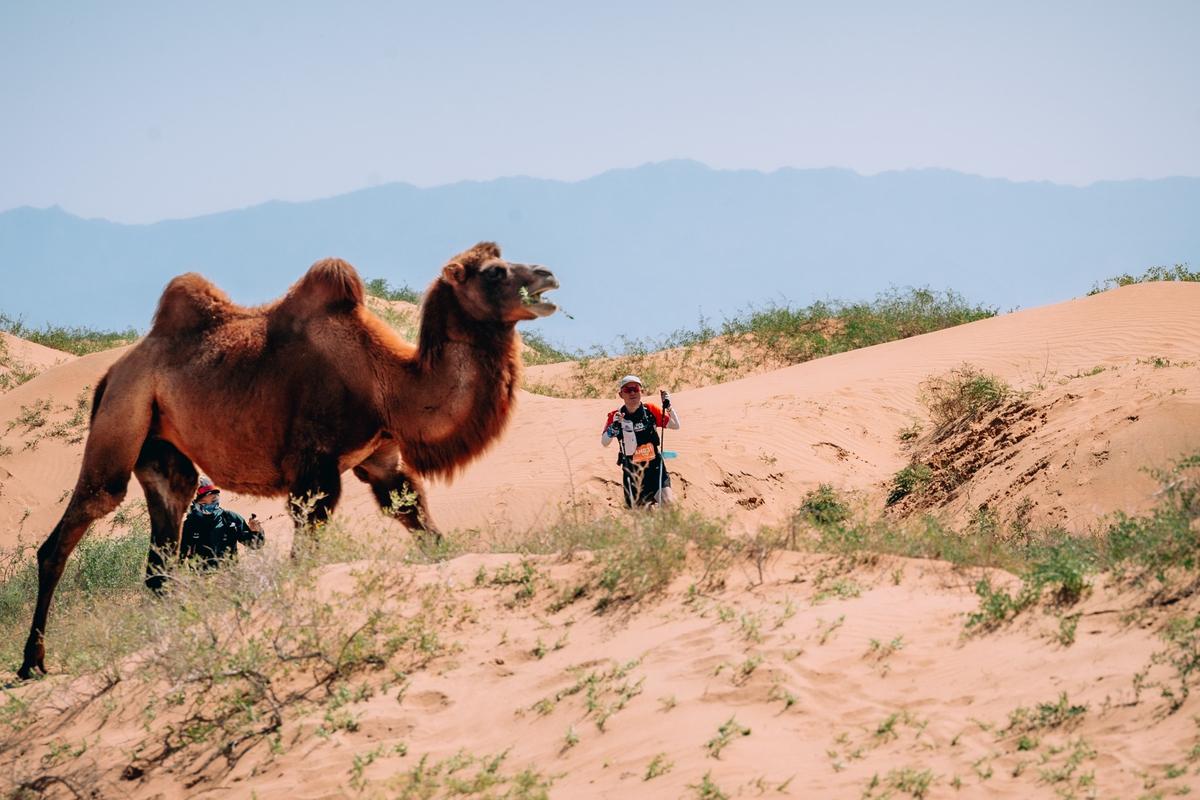
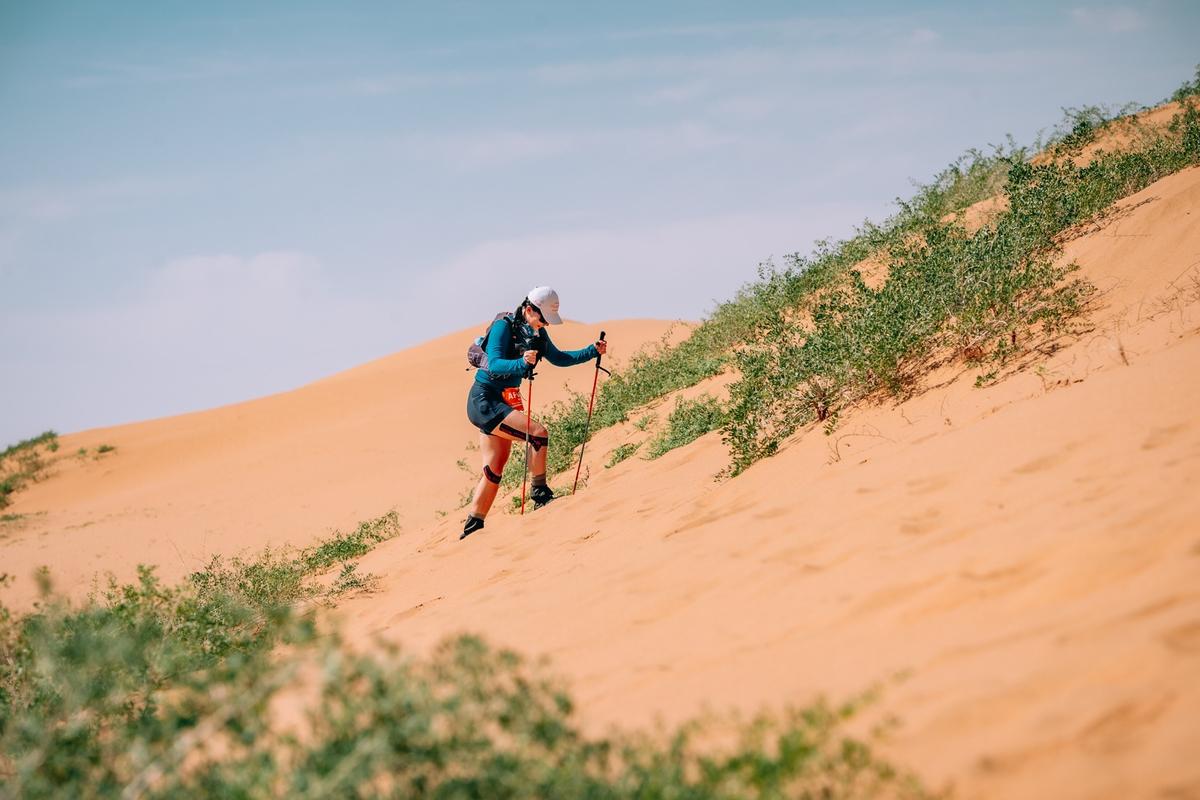
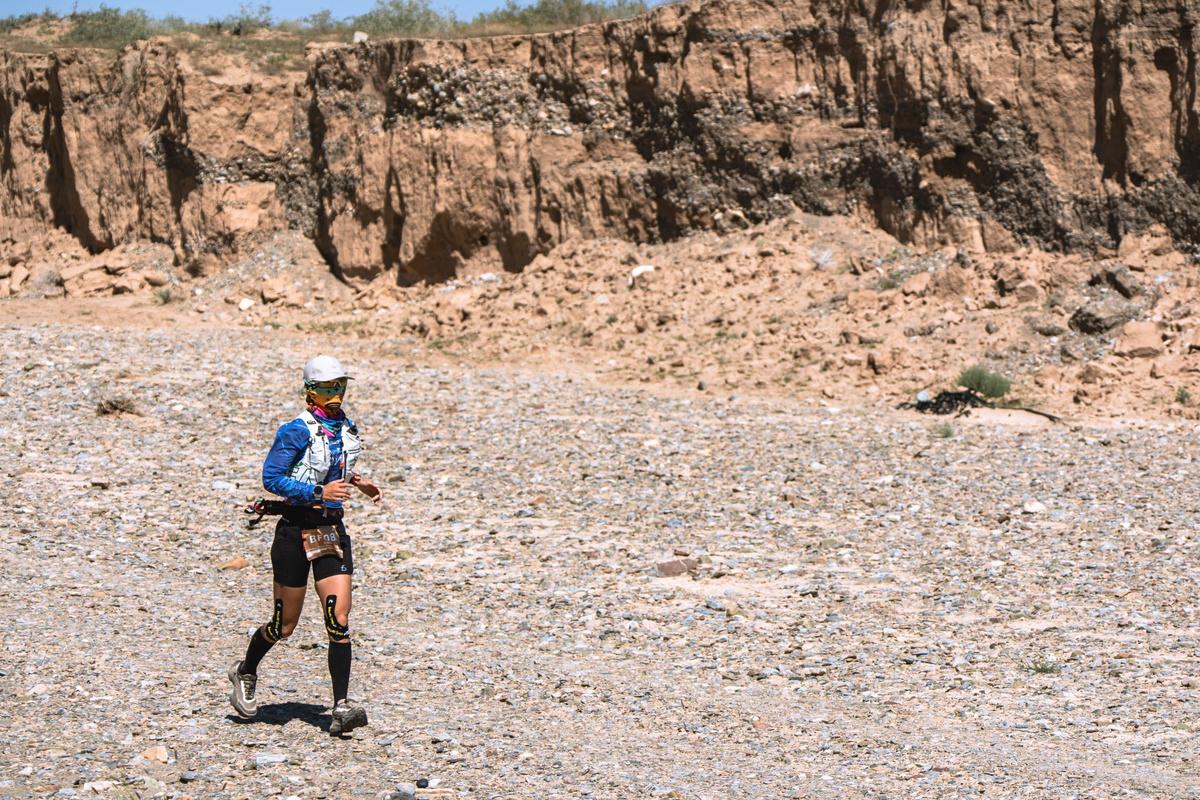
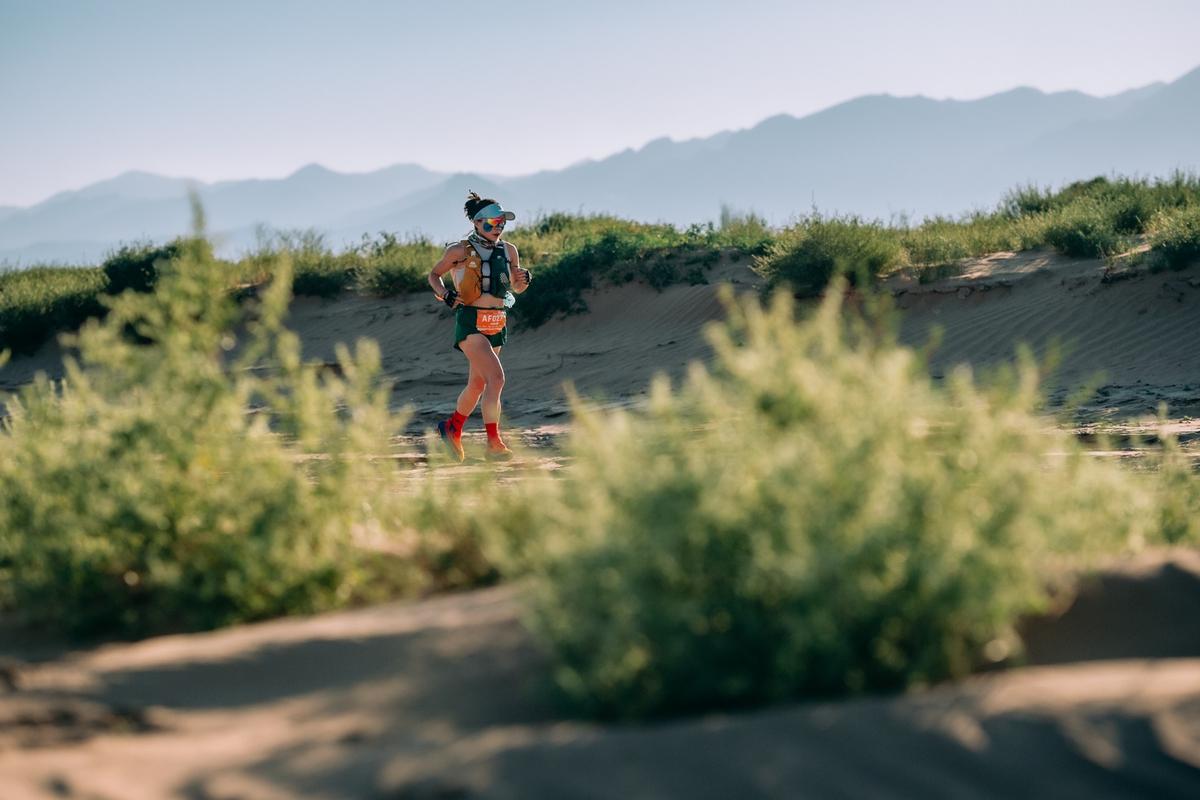
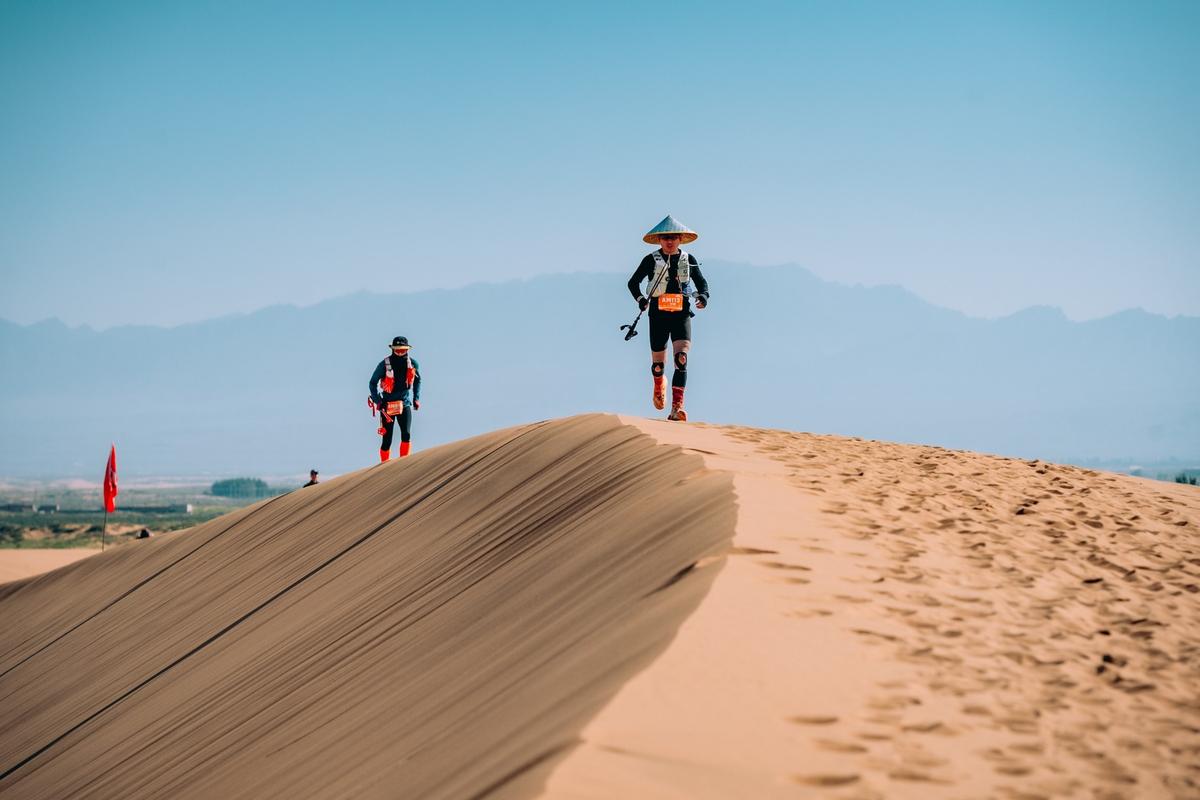
From a distance, the runners were small against the Tengger Desert as they left the riverbanks and grassland outside Barunbieli Town, crossed Gobi gravel and climbed into dunes where the next course flag could feel very far away.
Alxa League covers approximately 270,000 square kilometers along the western edge of Inner Mongolia, with fewer than one resident per square kilometer. Desert, Gobi and arid grassland occupy most of its territory, while the distances between towns are considerable and much of the landscape remains difficult for visitors to reach without local knowledge and support.
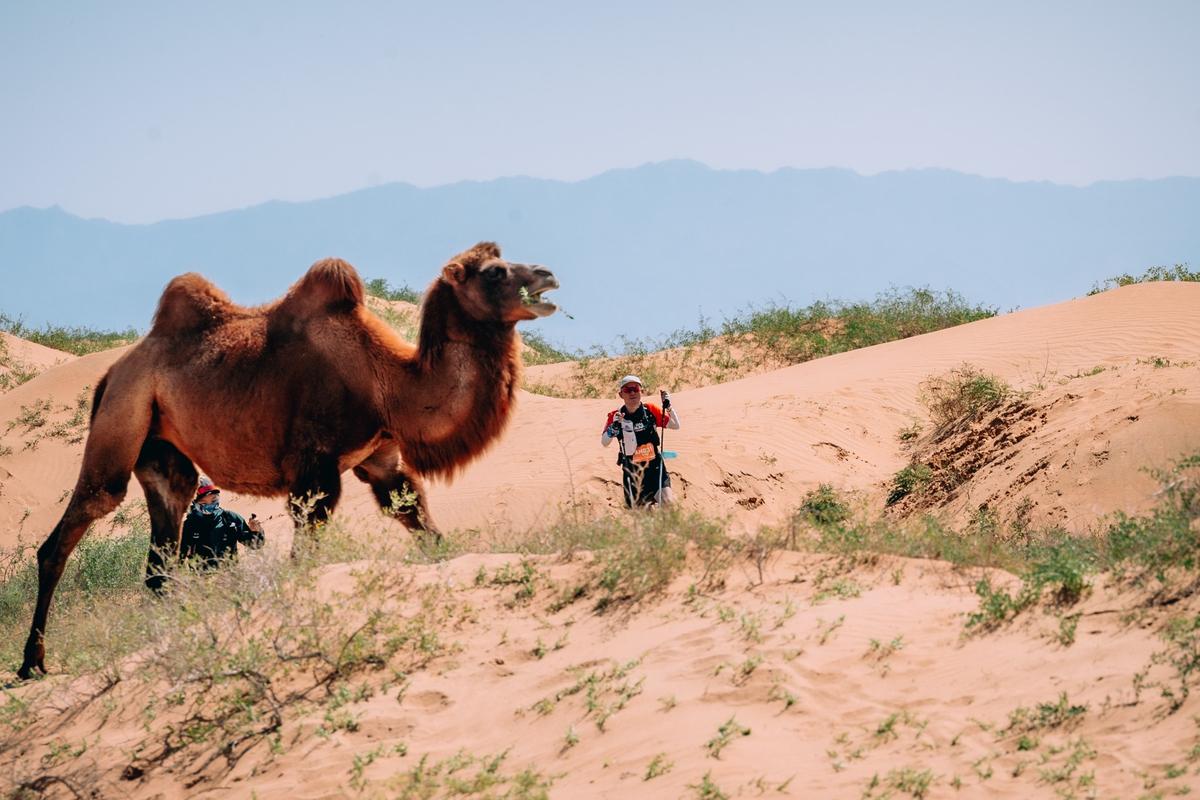
The 15K passed a desert lake, XTERRA’s Love Forest and herder homes before reaching the dunes, while the 35K and 50K continued towards Camel Lake, where the open sand placed runners deep inside the Tengger Desert.
Jiri Gelin finished second in the men’s 15K, and for the Alxa native, the day was also a chance to show visiting runners the landscape he knows as home. “Born and raised in Alxa, I was excited to race at home. I hope more people can see our desert and explore it for themselves,” he stated.
At the front, Wang Meng and Deng Ling won the 50K, while Hu Wei and Han Ruixiang took the 35K. Liu Yuying won the women’s 15K, while Ding Bingning returned to retain the men’s title. Full results are available here.
Ding was one of nearly 500 runners who attended the inaugural event in 2025, and after winning the 15K last year, he described what made the first edition worth returning to. “The setting and weather were close to perfect. Desert, grassland and lake came together, and it was tremendous fun to run.”
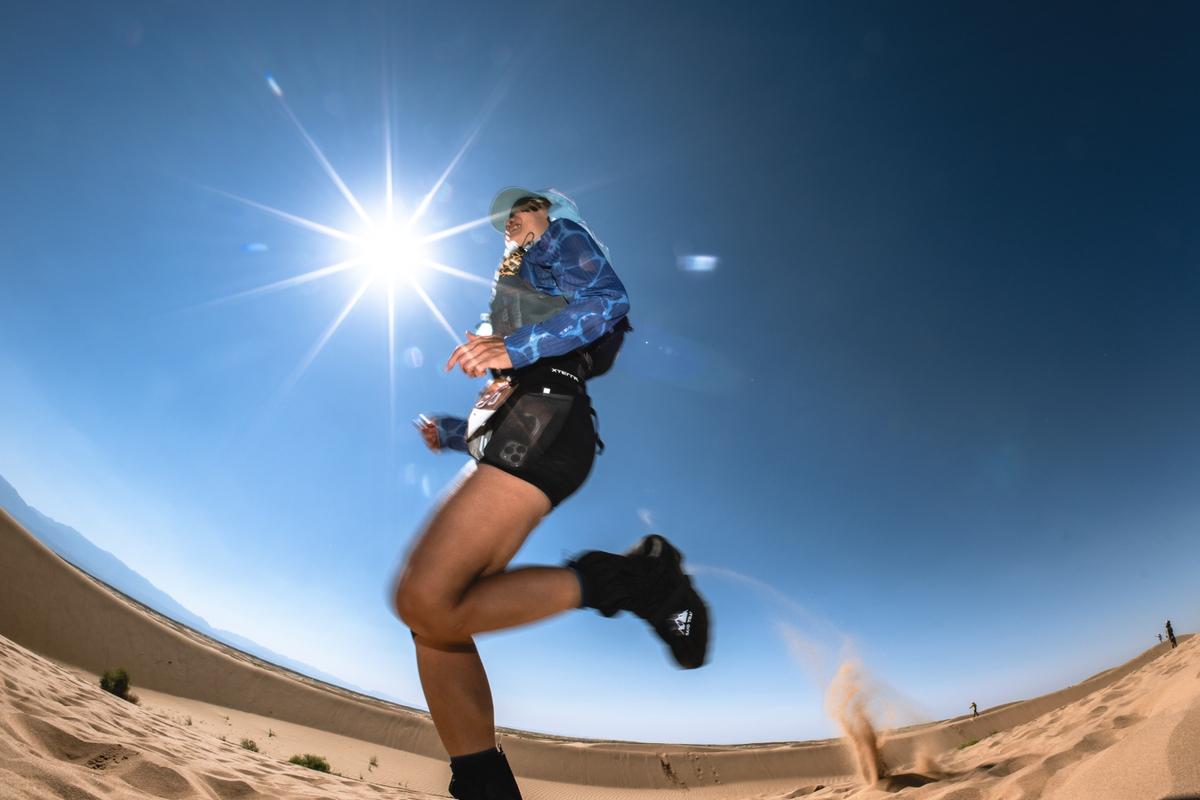
The field almost doubled in the space of one year, with nearly 1,000 runners arriving for the second edition from 13 countries and regions, yet the larger turnout did not separate the weekend from its surroundings.
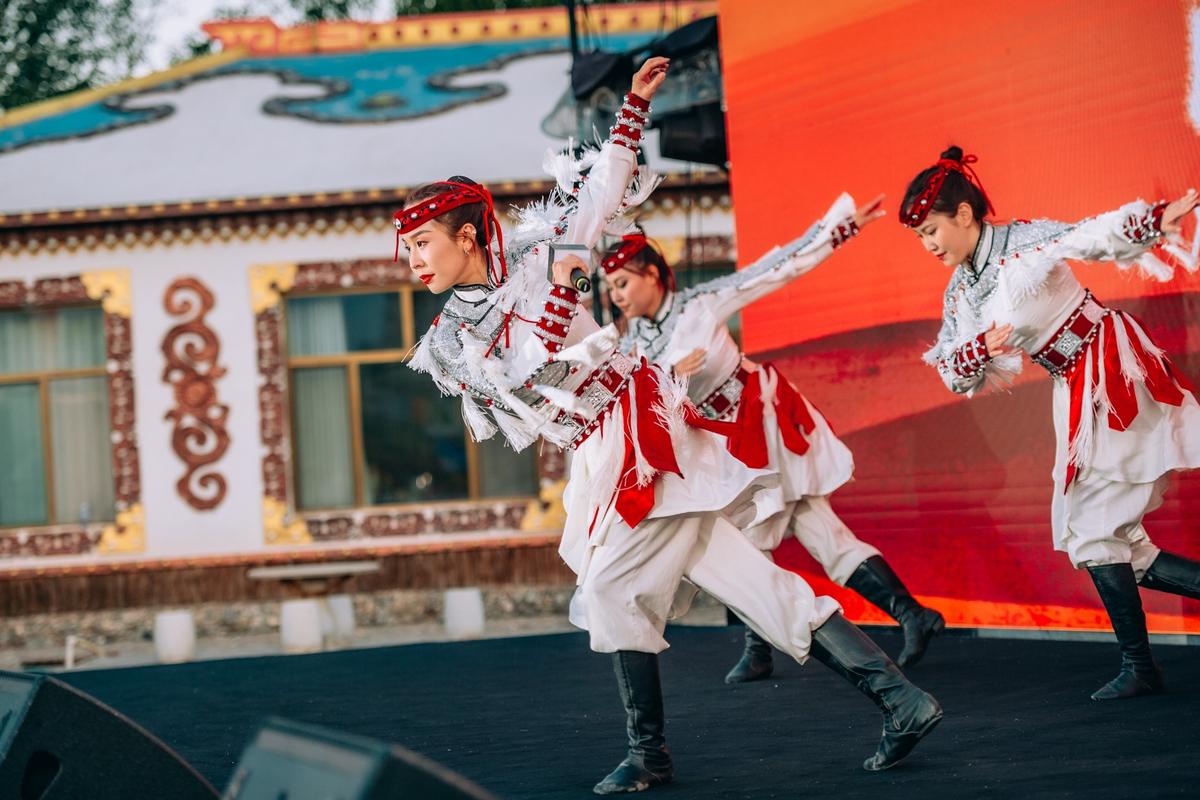
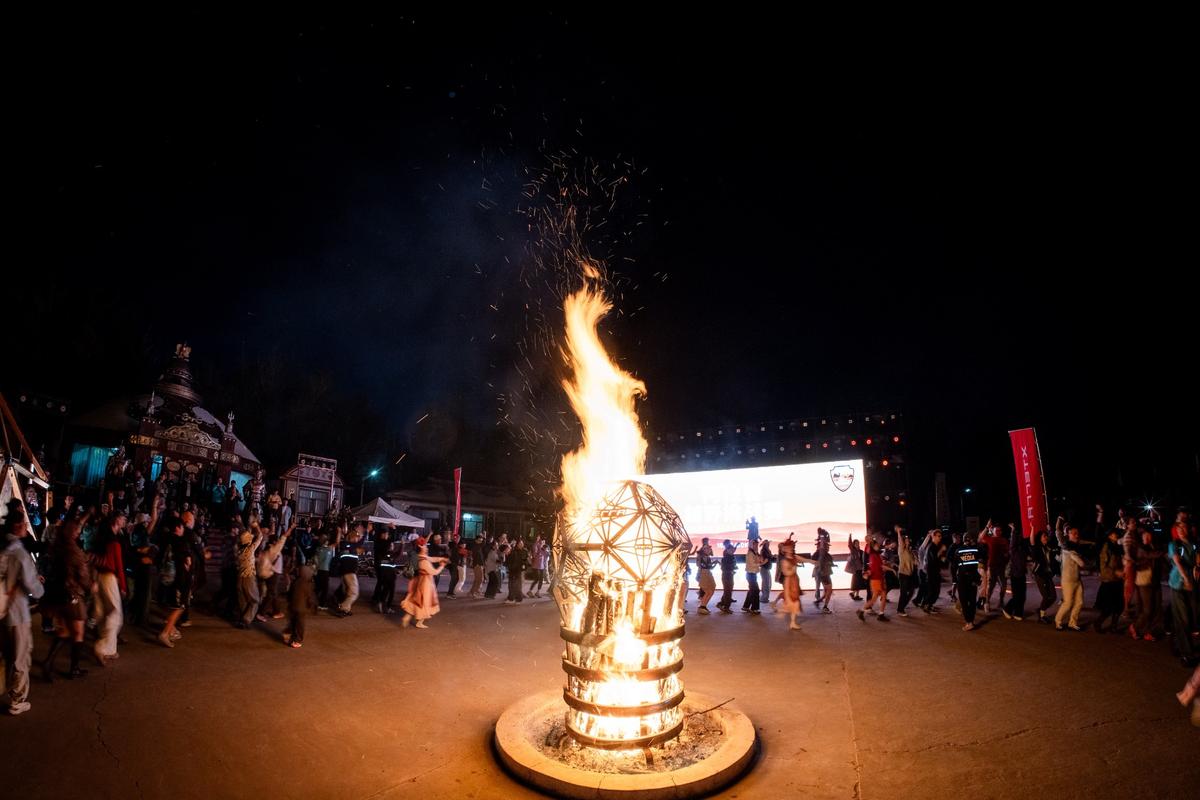
At stops along the longer courses, runners found local milk tea and music from the matouqin, the Mongolian horsehead fiddle, while the local team marked the routes, staffed the aid stations and helped visitors move through terrain where services and settlements are scarce. The race provided the structure, while Alxa provided everything people had travelled to experience.
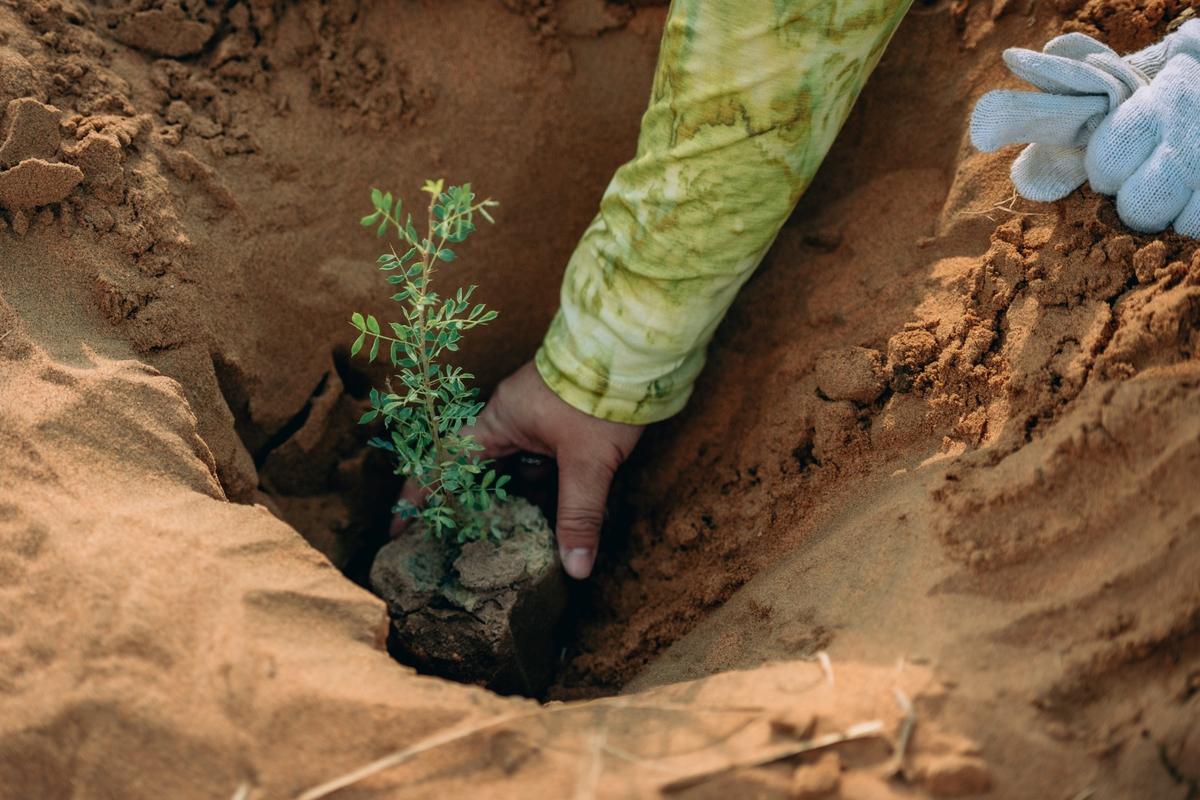
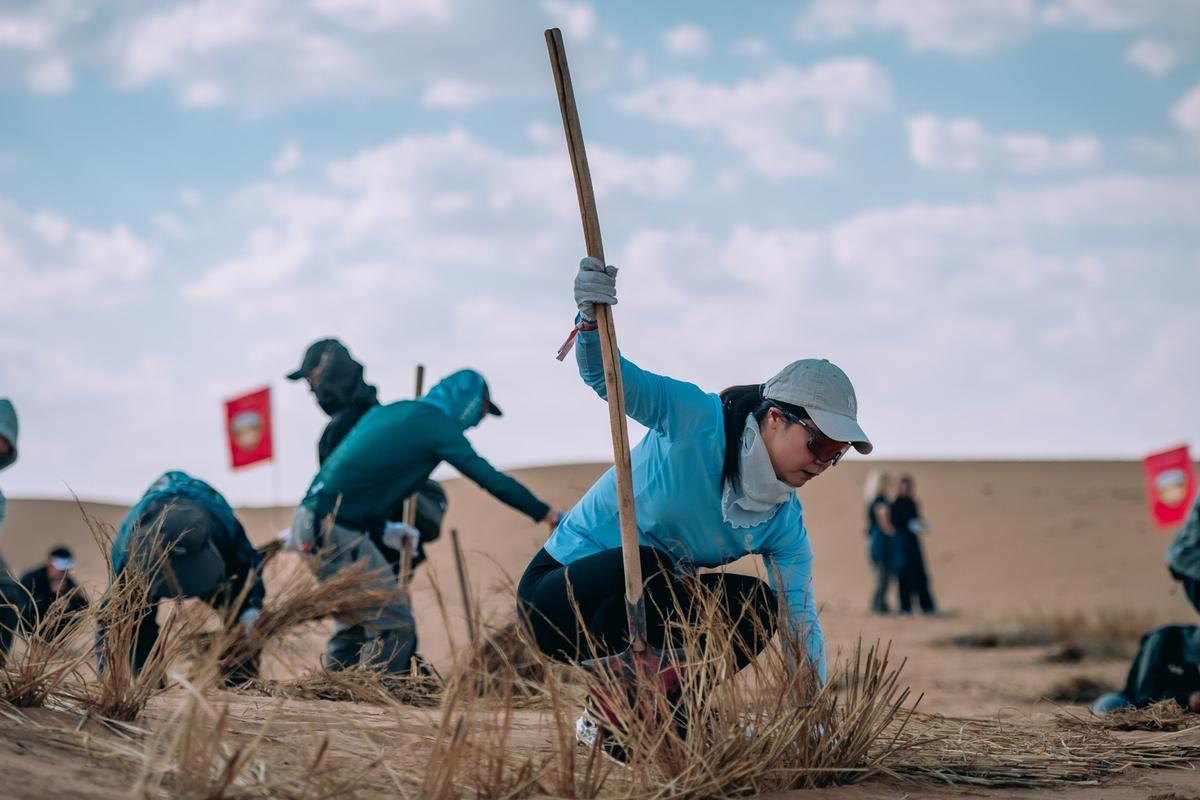
Care for the desert also remained part of how the event was organized. Since 2020, a portion of XTERRA China entry fees has supported desert-adapted tree planting through the China Green Foundation’s Million Forest Program, and by the inaugural race in 2025, participants had funded 25,634 seedlings, with 13,976 already planted.
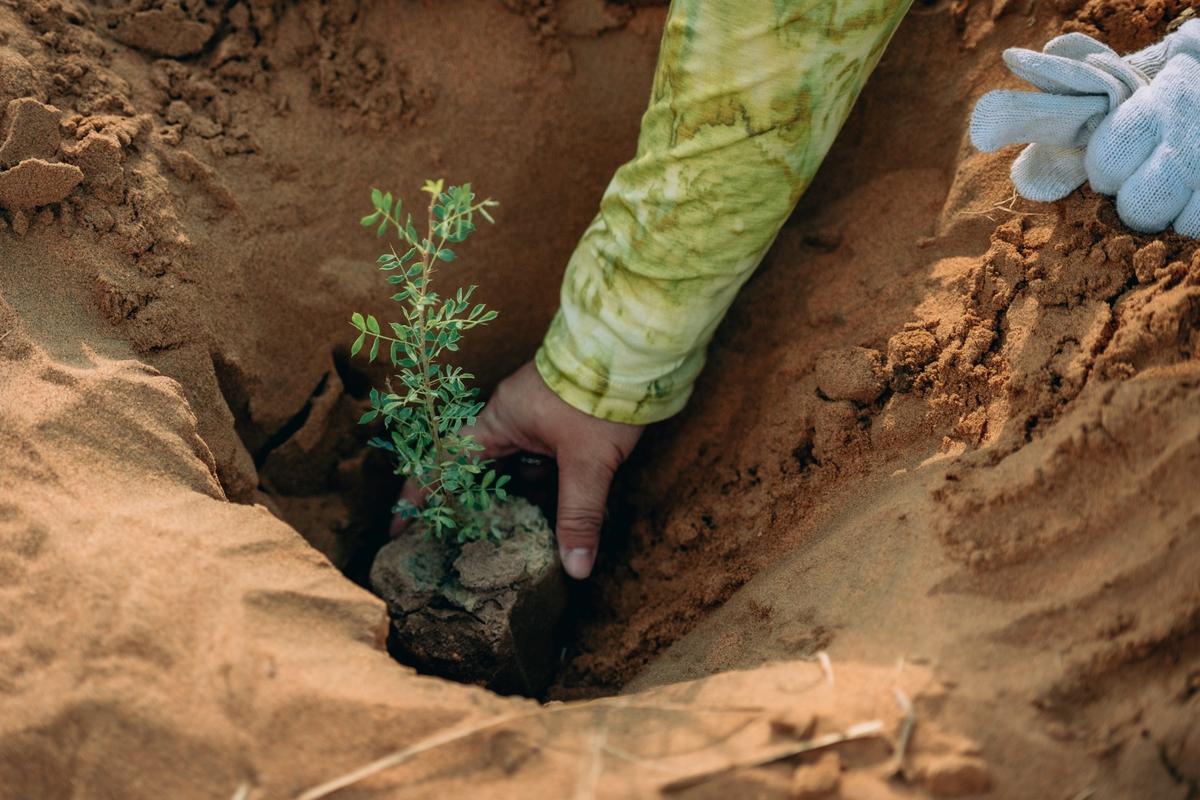
Organizers continued that approach in 2026, moving a section of the middle course after surveys found it crossed working pasture. Reusable cups replaced disposable ones at aid stations, while controlled waste points helped keep rubbish from being carried into the desert.
The second edition showed how quickly an event can grow without losing contact with the place around it. Last year introduced XTERRA Alxa to nearly 500 runners, while this year brought almost twice as many, supported by the residents, volunteers and organizers who made the routes possible.
For some, Sep 13 was a race for the front, but for most it was an opportunity to follow a marked route into a landscape they may never have found alone, moving at their own pace among people who had chosen to spend the day in the same place.